
A simple trip to the grocery store, a visit to a friend’s home, or a night out should not end in injury. But when property owners fail to maintain safe conditions, innocent people suffer the consequences. From slip and falls to inadequate security, premises liability accidents can result in serious injuries that disrupt your life and drain your finances. At Lonnie Law LLC, we hold negligent property owners accountable. We understand that these cases are often met with skepticism, but we know how to build compelling evidence that proves fault and recovers the compensation you deserve.
Property owners have a legal duty to maintain safe conditions for visitors. Under Georgia law (O.C.G.A. § 51-3-1), when an owner or occupier of land invites others onto their premises for any lawful purpose, they are liable for injuries caused by their failure to exercise ordinary care in keeping the premises and approaches safe. This duty extends to stores, restaurants, offices, apartment complexes, parking lots, and private homes.
But these accidents are often more serious than people realize. A slip and fall might sound minor, but it can result in fractured hips, traumatic brain injuries, or spinal cord damage that leads to permanent disability. The financial stress of mounting medical bills, lost wages, and ongoing care can be overwhelming. Property owners and their insurance companies often try to deny responsibility, claiming the accident was your fault or that the hazard was \”open and obvious.\” An experienced legal representative can level the playing field, investigate the incident, and protect your legal options.
Many people find it helpful to consult with an attorney who understands Georgia’s premises liability laws. At Lonnie Law LLC, we are committed to fighting for accident victims and holding negligent property owners accountable for their failures.
Premises liability encompasses a wide range of accidents that occur on another’s property due to unsafe conditions. Our firm has experience handling cases involving:
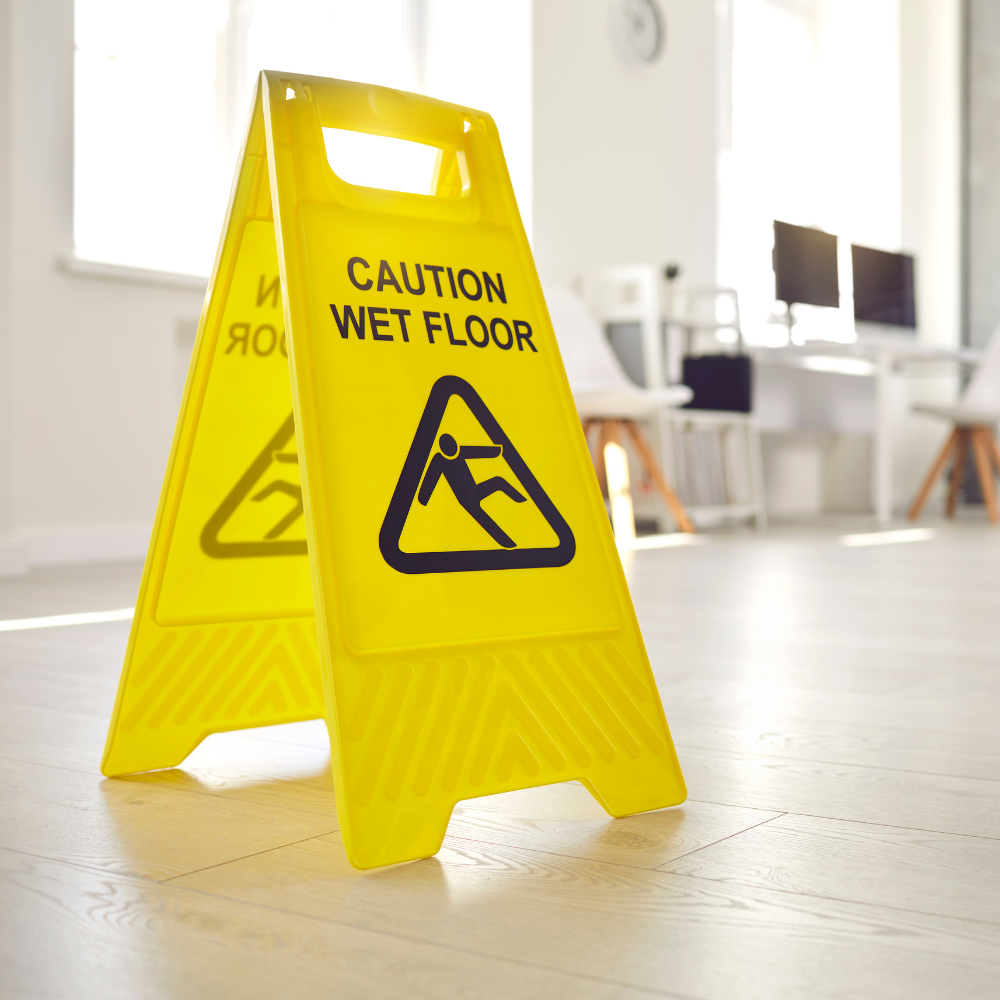
Wet floors, spilled liquids, freshly mopped surfaces without warning signs, and icy walkways are among the most common causes of premises liability injuries. Property owners have a duty to address these hazards promptly.
Uneven sidewalks, cracked pavement, loose carpeting, raised thresholds, and obstructed walkways create dangerous tripping hazards. Property owners must regularly inspect and maintain their premises to prevent these foreseeable injuries.
Injuries from assault, robbery, or violent crime that occur due to poor lighting, broken locks, lack of security personnel, or inadequate surveillance in areas with known crime risk can give rise to a negligent security claim.
Lack of proper fencing, broken gates, missing safety equipment, and inadequate supervision at swimming pools create serious drowning and injury risks. Georgia law imposes strict requirements on pool owners to prevent these tragedies.
Property owners and pet owners have a responsibility to control their animals, especially in public or common areas. When they fail to do so and someone is injured, they may be held liable under Georgia's premises liability and animal attack laws.
Falling merchandise, cluttered aisles, poorly maintained display areas, and spills create hazards for shoppers. Stores must regularly inspect their premises and address known dangers to meet their duty of care to customers.
Broken handrails, poor lighting, uneven steps, and building code violations on stairways are serious hazards. Malfunctioning elevators and escalators caused by inadequate maintenance can result in severe injuries and significant liability.
Premises liability accidents often result in serious injuries that require extensive medical treatment and can have long-lasting effects on your quality of life. Common injuries include:
Under Georgia law, the level of care owed by a property owner depends on the status of the visitor. There are three categories:
Invitee (O.C.G.A. § 51-3-1): A person invited onto the property, either expressly or by implied invitation, for business purposes or mutual benefit. Examples include customers at stores, clients at offices, or guests at hotels. Property owners owe invitees a duty of ordinary care to keep the premises safe.
Licensee (O.C.G.A. § 51-3-2): A person on the property for their own purposes with permission, such as a social guest. Property owners owe licensees a lesser duty – they must not willfully or wantonly injure them. However, once the licensee’s presence is known, the duty elevates to the same level as an invitee.
Trespasser: Someone on the property without permission. Property owners owe trespassers only the duty not to willfully or wantonly injure them. An important exception is the “attractive nuisance” doctrine for children.
To prove negligence in a premises liability case, you typically must establish four elements:
A critical factor is proving the owner had actual or constructive knowledge of the dangerous condition. Under Georgia’s modified comparative negligence rule (O.C.G.A. § 51-12-33), your recovery could be reduced if you were partially at fault, and barred entirely if you were 50% or more at fault.

Our 5.0 Google rating with 66 reviews demonstrates our dedication and successful outcomes. We prioritize clear communication and responsive service throughout your case.

Lonnie Law LLC operates on a contingency fee basis, meaning clients pay no upfront costs. A fee is only collected if compensation is successfully secured on the client's behalf, ensuring that quality legal representation is accessible to everyone.
We are based in Brookhaven and serve Chamblee and Brookhaven with deep familiarity with local courts, judges, and Georgia premises liability laws. This local knowledge gives us a strategic advantage.

You will work directly with Attorney Lonnie Duong, who provides personalized attention to every case. You are not just a case number - your recovery and well-being are our priorities.
Georgia law allows premises liability victims to seek compensation for both economic and non-economic damages. The types of damages you may be able to recover include:
Economic Damages: These are quantifiable losses including medical expenses (past and future), lost wages, loss of future earning capacity if injuries prevent you from returning to work, and property damage (such as torn clothing or broken personal items).
Non-Economic Damages: These are subjective, non-monetary losses including pain and suffering, emotional distress, loss of enjoyment of life, disfigurement from scarring, and permanent impairment or disability that affects your quality of life.
Punitive Damages: These are rare in premises liability cases and only awarded in Georgia when the property owner’s conduct was extremely negligent or showed willful misconduct. Punitive damages are meant to punish the wrongdoer, not compensate the victim.

If you are injured on someone else’s property in Brookhaven whether at a retail location a parking lot a public building or a private residence call 911 if emergency medical attention is needed. If the injury happened at a business notify a manager or property representative before leaving so that the incident is officially reported and logged. Ask for the name of the person you spoke with and any incident report number they provide as these create an early record of the event.

Slip and fall injuries staircase accidents and other premises-related incidents can result in fractures spinal strain head injuries and soft tissue damage that may not fully manifest until hours after the incident. Many people find it helpful to seek a medical evaluation promptly even if the injury initially seems minor. A timely medical record helps document the nature of your injuries and their connection to the incident.

Photograph the hazardous condition that caused your injury before it is cleaned up or repaired including a wet floor without signage a broken step uneven pavement or poor lighting. Capture the surrounding area for context including the date and time if your phone shows it. Ask anyone who witnessed the incident for their contact information. If the property has visible security cameras note their locations as footage can sometimes be requested and used to document what occurred.

Property owners and their insurance carriers may reach out after a reported injury. Many people find it helpful to avoid giving a recorded statement or providing a detailed account of the incident and their injuries before speaking with an attorney. Acknowledging the contact and providing basic information is generally fine for that initial exchange.

Premises liability claims in Georgia involve specific legal standards that depend on your status as a visitor and what the property owner knew or should have known about the hazardous condition. Understanding how those standards apply to your situation can be helpful before engaging further with an insurance company. Lonnie Law LLC offers a free consultation to help you think through your options.

Document your recovery in as much detail as you can including pain levels mobility limitations missed work and medical appointments. Save every bill receipt and piece of correspondence. Note how the injury has affected your ability to do everyday things around Brookhaven from running errands to caring for your family. This kind of running record helps demonstrate the real ongoing impact of the incident.
I have to say my experience with Lonnie’s Law Firm has been a 10/10 experience for me. This was my first time ever needing an attorney, and wow, it was THE best decision. From the very beginning, I was treated with care, compassion, and support by Lonnie and her team. They made sure to communicate with me every step of the way, and when there were things that I did not understand, Lonnie and her team would explain until I fully understood. I couldn’t have asked for a better experience; I promise it doesn’t get any better than this! Thank you to Lonnie and Annette for being exceptional!
Google Review
I would highly recommend Lonnie Law, LLC. If you’re looking for a reputable attorney, look no further! You will be kept abreast of your case with a personal touch! She has her clients best interest; unlike other law firms. If I could giver her an hundred stars, I would . Again, I would highly recommend Ms.Law!
Google Review
Google Review
I can’t even begin to say how amazing Lonnie and her team were. I’m so grateful to them for brining me peace and closure with my car accident case. Whenever I had a question, Lonnie was always there. She’s on my speed dial! If you ever need a lawyer , this is the place to go.
Google Review
Lonnie Law was the first attorney I’ve ever used for a car accident. Her and her team thoroughly guided me through the whole process from start to finish and even looked at various avenues to get me the best compensation possible. I recommend her to all my friends and family and will definitely be utilizing her again in the future!
Google Review
Lonnie and her team is A 1. They are good at communication, check in on you , and definitely responds quickly. They have been a huge help throughout my brother and I process ; I highly recommend Lonnie law. Thank you again to Lonnie and her team , continue making your clients happy !
Google Review

Georgia law sets specific deadlines for filing personal injury lawsuits, known as statutes of limitations. The exact deadline can depend on the type of case and the circumstances of the injury. It is important to be aware of these time limits, as failing to file a claim in time can bar recovery.
Certain cases, such as medical malpractice, have specific procedural requirements under Georgia law, such as filing an expert affidavit along with the initial complaint. An attorney can explain the specific requirements that may apply to a particular case.
No. Premises liability is a broad area of law that covers many types of accidents including dog bites, inadequate security leading to assaults, swimming pool accidents, falling objects, fires due to code violations, and injuries from defective conditions on the property.
The timeline for a personal injury case can vary widely depending on its complexity, the severity of the injuries, and whether it proceeds to trial. Some cases resolve in months, while others may take several years. An attorney can provide a more specific estimate based on the details of the case.
Key evidence often includes photos and videos of the hazard, the official incident report from the property, medical records documenting your injuries, witness statements, maintenance records showing the property owner knew or should have known about the danger, and expert testimony about unsafe conditions.
The concept of a discovery rule, which starts the statute of limitations when an injury is discovered rather than when it occurred, is very limited in Georgia. Understanding how these legal principles apply is a key part of evaluating a potential claim.
Obtaining a second opinion from an independent professional can be a helpful step in understanding the full scope of an injury or situation. This information can be a valuable part of the overall case assessment conducted by an attorney.
In cases involving a wrongful death, specific family members may be eligible to file a claim under Georgia law. The legal framework defines who can bring a claim and what damages may be sought. An attorney can explain the specific rules that apply to a given situation.

If you or a loved one has been affected by a Premises Liability, understanding the legal process is the first step. Contact Lonnie Law LLC today for a confidential consultation to discuss your situation with our experienced Brookhaven team.