
Atlanta slip and fall law
¿Qué indemnización puedo reclamar tras una caída en Georgia?
After a slip and fall in Georgia, you may recover economic damages such as medical bills and lost wages, and non-economic damages for pain and suffering. Georgia’s modified comparative fault rule reduces your recovery if you were partly at fault. Property owners owe a duty to keep their premises reasonably safe under O.C.G.A. § 51-3-1.
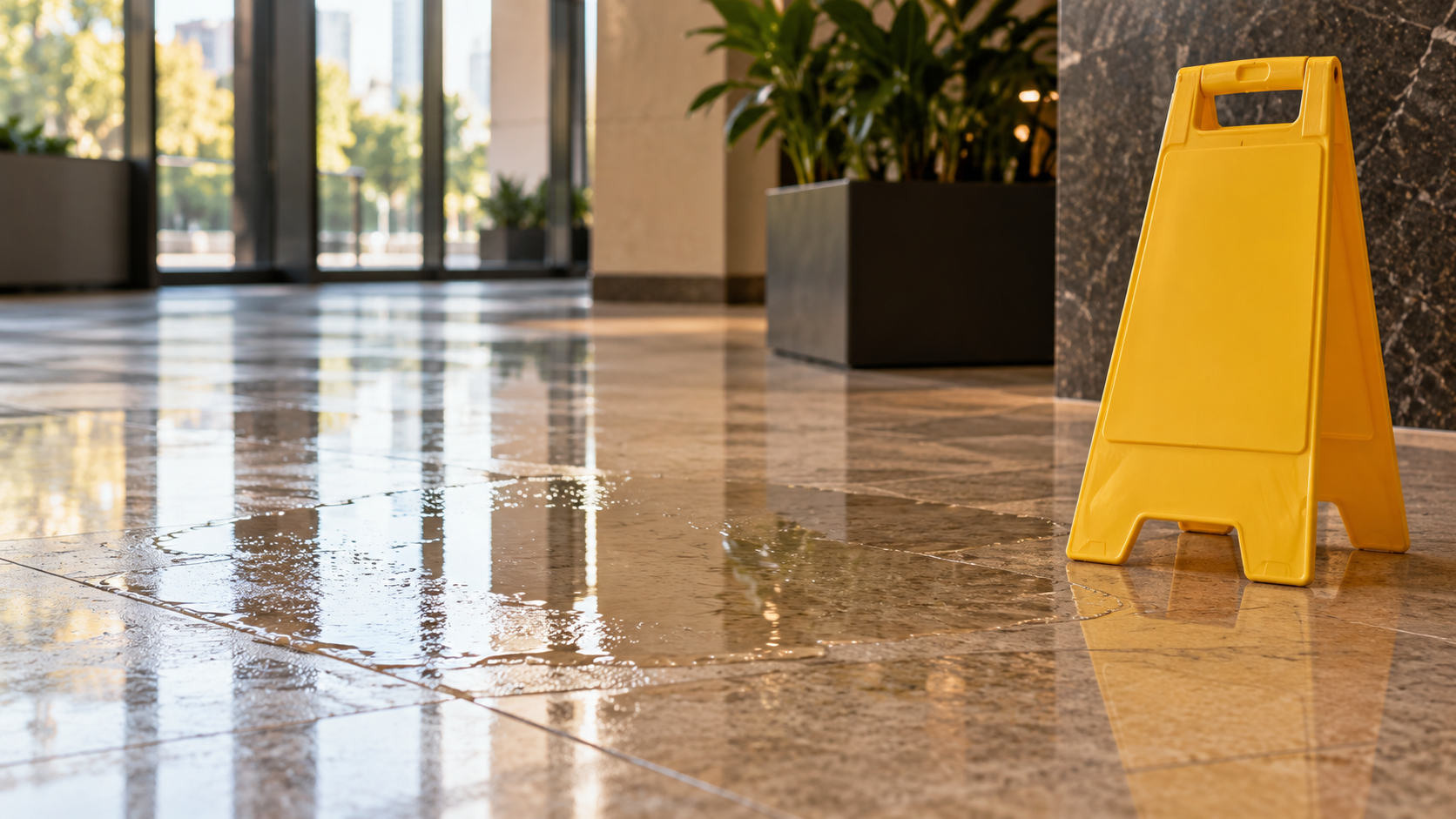
What Economic Damages Are Available in a Georgia Slip and Fall Case?
Economic damages in a Georgia slip and fall case cover the concrete financial losses caused by the fall and resulting injuries. These include past and future medical expenses, lost wages while you were unable to work, reduced earning capacity if your injuries are long-term, and other out-of-pocket costs tied directly to the incident.
Slip and fall injuries range from minor bruising to broken bones, head injuries, and spinal damage. The economic impact can be substantial, especially when injuries require surgery, extended rehabilitation, or limit your ability to work for months or permanently.
Common economic damages in Georgia slip and fall claims include:
- Medical expenses: Emergency room visits, hospitalization, surgery, imaging, physical therapy, follow-up specialist care, and prescriptions from the date of the fall through the end of treatment. Future medical costs are also recoverable when a doctor confirms ongoing care will be needed.
- Lost wages: Income you were unable to earn while recovering. This includes hourly pay, salary, missed overtime, sick leave you were forced to use, and self-employment income lost during recovery.
- Loss of earning capacity: If your fall injuries are permanent and limit what you can earn going forward, the difference between your pre-injury and post-injury earning potential is a recoverable economic loss.
- Out-of-pocket costs: Transportation to medical appointments, home care assistance, medical equipment like crutches or a wheelchair, and similar costs directly caused by the fall.
Georgia does not cap economic damages in personal injury cases, so the full amount of verifiable financial losses is potentially recoverable, subject to the defendant’s insurance coverage and ability to pay.
What Non-Economic Damages Can a Slip and Fall Victim Recover?
Non-economic damages compensate for losses that are real but difficult to assign a dollar amount to. In Georgia slip and fall cases, these include physical pain and suffering, emotional distress, loss of enjoyment of life, and permanent scarring or disfigurement. Georgia does not generally cap non-economic damages in personal injury cases.
A serious slip and fall can affect every aspect of a person’s daily life. Chronic pain, difficulty sleeping, anxiety about returning to normal activities, and the emotional toll of a long recovery are all real losses that Georgia courts recognize.
- Pain and suffering: The physical discomfort, aching, and pain you experience from your injuries, both immediately after the fall and throughout recovery, including any chronic or permanent pain.
- Emotional distress: Anxiety, depression, or post-traumatic stress that results from the accident or the recovery process. These losses are documented through medical records, therapy notes, and your own testimony.
- Loss of enjoyment of life: If your injuries prevent you from participating in hobbies, sports, or activities you enjoyed before the fall, that loss of quality of life is compensable.
- Disfigurement or permanent disability: Visible scarring from surgical procedures, or any permanent physical limitation from the fall, are recognized as separate categories of non-economic loss.
How Does Georgia’s Premises Liability Law Affect Your Claim?
Under O.C.G.A. § 51-3-1, a property owner owes a duty of ordinary care to keep their premises reasonably safe for invitees, such as customers, shoppers, and tenants. To recover damages, you generally need to show the owner knew or should have known about the hazardous condition and failed to fix it or warn you in time.
Georgia premises liability law distinguishes between different types of visitors. An invitee is someone the property owner has invited onto the property for a business purpose, such as a grocery store customer or a restaurant guest. Owners owe invitees the highest duty of care.
To succeed in a Georgia slip and fall claim, you generally need to prove:
- A hazardous condition existed on the property, such as a wet floor, uneven pavement, or inadequate lighting.
- The owner or their employees knew about the condition or should have discovered it through reasonable inspection.
- The owner failed to fix the condition or warn you about it within a reasonable time.
- The dangerous condition caused your fall and injuries.
The requirement that the owner had actual or constructive knowledge of the hazard is often where slip and fall cases are won or lost. Surveillance footage of a wet floor that employees walked past multiple times, maintenance records showing a known defect, or employee testimony can all establish that knowledge.
How Does Comparative Fault Affect Your Slip and Fall Damages?
Georgia follows a modified comparative fault rule under O.C.G.A. § 51-12-33. If you were partly at fault for your fall, for example by ignoring a visible warning sign, your damages are reduced proportionally. If you are found 50 percent or more at fault, you recover nothing. Below 50 percent, you can still recover a reduced amount.
Property owners and their insurers frequently argue that the person who fell was not paying attention, was wearing inappropriate footwear, or ignored visible warnings. Even if there is some truth to that, it does not automatically defeat your claim.
| Your Fault Percentage | Example Total Damages | Recoverable Amount |
|---|---|---|
| 0% at fault | $80,000 | $80,000 |
| 20% at fault | $80,000 | $64,000 |
| 40% at fault | $80,000 | $48,000 |
| 50% or more at fault | $80,000 | $0 |
Because the 50 percent threshold is the line between recovering something and recovering nothing, fault disputes are central to almost every Georgia slip and fall case. Evidence of the hazardous condition and the owner’s knowledge of it is the most effective way to establish that the owner, not you, bears the majority of responsibility.
What Evidence Supports a Slip and Fall Damages Claim?
Strong slip and fall claims rely on photographs of the hazard taken right after the fall, an incident report filed with the property owner, medical records starting from the day of the injury, and witness names. Video from store surveillance cameras, if preserved quickly, is often the most compelling evidence.
Evidence tends to disappear quickly in slip and fall cases. Wet floors get cleaned. Lighting gets repaired. Surveillance footage is overwritten. Acting quickly to preserve and document evidence is critical.
- Photographs and video: Take photos of the hazard, the surrounding area, and your injuries as soon as possible. If there is a surveillance camera nearby, request that footage before it is deleted, ideally through a preservation letter from your attorney.
- Incident report: Report the fall to the property manager or owner before leaving. Ask for a copy of the incident report. If they refuse to give one, note the time and who you spoke with.
- Medical records: See a doctor as soon as possible, even if you feel only minor pain. Head injuries and soft-tissue injuries sometimes worsen over the following days. Your medical records tie your injuries to the fall date.
- Witness contact information: Anyone who saw the fall or knows about the hazardous condition is a potential witness. Get their name and phone number.
- Your clothing and footwear: Do not discard the shoes you were wearing. They may be relevant to any argument that inappropriate footwear contributed to the fall.
Talk to a Slip and Fall Lawyer in Atlanta
Lonnie Law, LLC represents people injured in slip and fall accidents throughout DeKalb County and the metro Atlanta area. No fee unless we recover for you. Contact us for a free case evaluation.
Frequently asked questions
What damages can I recover after a slip and fall in Georgia?
Georgia slip and fall victims can recover economic damages including medical expenses, lost wages, and costs tied to ongoing care, as well as non-economic damages for pain and suffering, emotional distress, and loss of enjoyment of life. The amount depends on the severity of your injuries and your percentage of fault under Georgia’s comparative negligence rule.
Does Georgia have a cap on slip and fall damages?
Georgia does not cap economic or non-economic damages in general personal injury cases, including slip and fall claims. However, claims against government entities may be subject to sovereign immunity limitations. An attorney can advise on any caps that apply to your specific situation.
What if I did not go to the doctor right away after my fall?
Delayed medical treatment makes it harder to connect your injuries directly to the fall, which gives insurers a basis to argue the injuries came from something else. Seek medical care as soon as possible, even if your pain seems mild at first. Courts and adjusters look at the gap between a fall and first medical visit when evaluating a claim.
How long do I have to file a slip and fall lawsuit in Georgia?
Generally two years from the date of the fall under O.C.G.A. § 9-3-33. If the fall happened on government property, you may need to file an ante litem notice within six months. Missing either deadline can bar your right to recover compensation.
Can I recover damages if I slipped in a parking lot or on stairs?
Yes. Georgia premises liability law covers falls on any part of a property an owner controls, including parking lots, stairs, sidewalks adjacent to the building, and entrances. The same duty to keep the premises reasonably safe applies throughout the property.
What if the slip and fall happened at someone’s home?
Falls at private residences can also give rise to premises liability claims in Georgia, though the duty owed may differ depending on whether you were an invitee, a licensee, or a trespasser. Homeowner’s insurance often covers such claims. An attorney can evaluate whether you have a viable claim based on the circumstances of your visit.
Does wearing high heels or flip-flops affect my slip and fall claim?
It can. A defendant may argue your footwear contributed to the fall, which could reduce your damages under Georgia’s comparative fault rule. However, wearing certain shoes is not automatic negligence, and the primary question remains whether the property owner created or failed to address a dangerous condition. The specific facts of your case determine how much this matters.